With wild horse and burro populations now more than three times above levels set by federal law, their negative impacts on wildlife habitat continue to increase too. That is why the Rocky Mountain Elk Foundation recently joined more than two dozen conservation and sportsmen organizations in expressing concern to federal lawmakers.
In a letter to the chairman of the House Committee on Natural Resources, the groups urged lawmakers to allow the Bureau of Land Management (BLM) and U.S. Forest Service to execute statute as it currently stands before making any possible or requested adjustments.
According to BLM estimates, there are more than 82,000 wild horses and burros on public lands as of 2023, although that number could be closer to 100,000.
“The ecological consequences are devastating: rangelands are degraded, riparian areas are trampled, and forage and water resources for wildlife and livestock are depleted. Many grazing allotments have gone unused for decades due to overuse by feral equids, and the resulting habitat damage continues to threaten the health and diversity of our public lands,” according to the submitted letter. 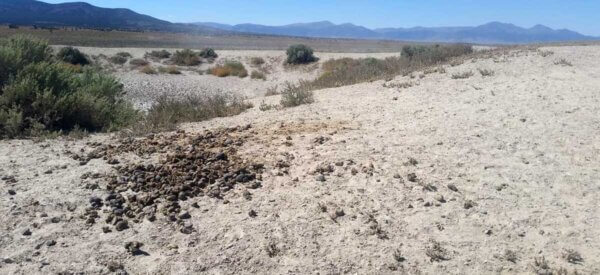 The groups also stated Congress repeatedly restricted the ability of federal agencies to fully implement the management framework originally envisioned because annual appropriations riders prevent the sale or humane euthanisia of unadopted horses and burros.
Additionally, the cost for taxpayers is staggering. The federal government spends more than $100 million annually, or more than 70 percent of the program’s total budget, to maintain more than 67,000 animals in holding facilities. According to the groups, “This system is financially unsustainable and ecologically irresponsible.”
RMEF maintains unmanaged horses and burros on federal land negatively impact the health of both rangeland ecosystems and native wildlife habitat. As such, it supports population reductions to bring numbers in line with federal laws.
(Photo credit: Bureau of Land Management)